Blog ·
How Solar Panels Convert Sunlight Into Electricity for Your Home
Solar panels are becoming increasingly common on residential rooftops, but many homeowners don't fully understand how these systems transform sunlight into the electricity that powers their homes. Understanding the basics helps you appreciate your investment and make informed decisions about your solar setup.
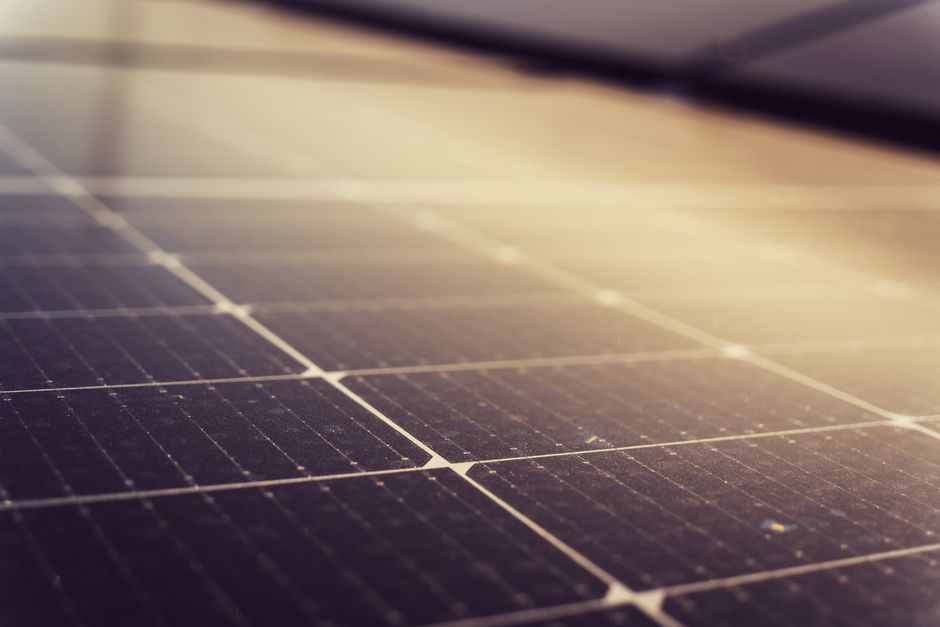
At the heart of every solar panel are photovoltaic cells made from silicon. When sunlight strikes these cells, it energizes electrons, creating an electrical current. This process happens silently and without any moving parts, which is why solar panels require so little maintenance once installed.
The Path From Sunlight to Your Appliances
The electricity generated by your solar panels starts as direct current, or DC power. However, most home appliances run on alternating current, or AC power. This is where the inverter comes in—a crucial component of your solar system that converts DC power into AC power that your home can actually use.
When your panels generate more electricity than you're currently using, the excess flows into the electrical grid. This process, called net metering, means your utility company credits you for the power you produce. On cloudy days or at night when your panels aren't generating electricity, you draw power from the grid as you normally would.
Factors That Affect Your Panel Performance
Several factors influence how efficiently your panels convert sunlight to electricity. The angle and orientation of your roof matter significantly—panels facing south generally capture the most sunlight throughout the day. Climate also plays a role; panels actually work more efficiently in cooler temperatures, though they still generate electricity on cloudy days.
Shading is one of the most common performance challenges. Even partial shading on one panel can reduce output from your entire system. This is why professional installers carefully assess your roof's exposure during the initial evaluation.
Maximizing Your System's Potential
Understanding how your solar system works empowers you to get the most from your investment. Regular monitoring through your system's app or monitoring platform lets you see real-time generation and catch any performance issues early. Keeping your panels relatively clean—rain often handles this naturally—helps maintain efficiency.
Your solar system represents a long-term partnership between your home and the sun. By grasping the fundamentals of how panels convert sunlight into usable power, you can better appreciate the clean energy flowing through your home every sunny day.